
POETRY
©Lucinda Roy from FABRIC: Poems
Mussels
Having been mistaken once again for the other black couple in town
we take our seats at the table, order with the rest.
When the subject of race comes up during appetizers (for me
steamed mussels in white wine with tarragon; for you nothing—
as usual, you’re saving yourself for dessert) I am chewing.
I think our tablemate is referring to the electoral race at first
before I understand my error. This one is tough—its nacreous, butterfly shell
swings shut on its hinges, small black wings locked like a mouth.
The others at the table are expectant as though we’re about to share a secret.
The mussel lodges between my teeth. A toothpick would be handy.
I should have ordered soup.
Sometimes white women I don’t know tell me they find him—
my husband—attractive. Sometimes I smile. Sometimes I don’t.
Prying things open takes effort and sometimes I’m too tired to do it.
Sometimes I think about the ball and chain dragging along behind
the dangerous feminine. But tonight I eat steamed mussels swimming
in wine and tarragon. We’re all filter feeders of some kind or another.
It’s the only way to survive.
When you were younger, single, you were mistaken
for the black man the police were looking for—who, apparently,
could have been your twin. You were hauled in for questioning
but then, like the fish in the nursery rhyme, they let you go again.
How easy it would have been for them to keep you.
I duel with another mussel, try to be civilized. My black
husband was permitted to mature out in the open. My black
father, on the other hand, died at fifty-one. The English doctor
broke the news to my mother saying she was better off
without him—my mother being a young attractive white woman
in 1961. I reach for another mussel. It clings to its shell like something livid.
I jab it with a fork and twist hard. It will not detach itself.
Our tablemate is saying she likes Obama. Finds him attractive and articulate.
But why, she asks us, is he so…so…
Obama, son of Abraham, cuff-linked to a house as white as Snow White,
when will the wistful weltering world
stop expecting you to croon it back to sleep?


Nonfiction
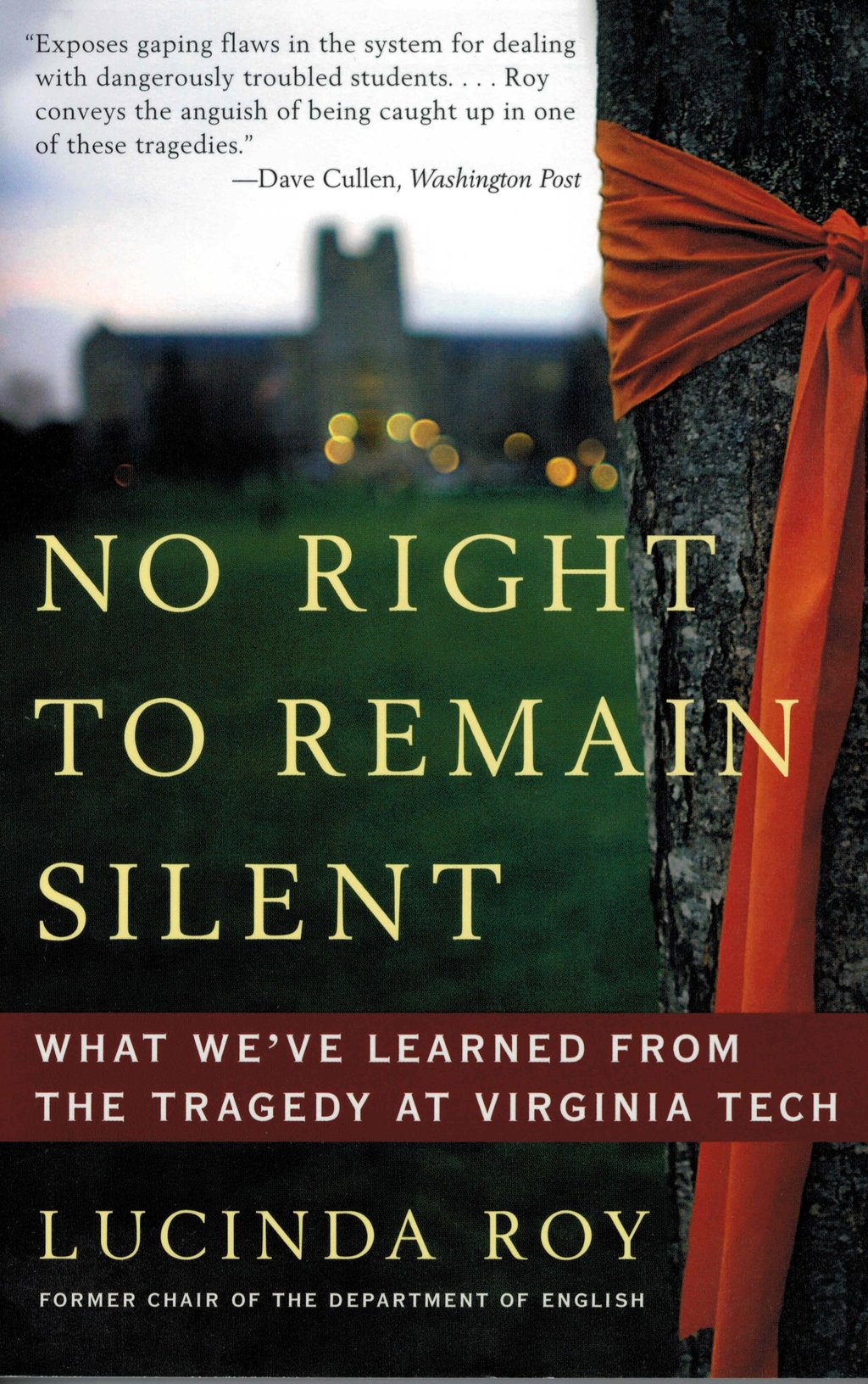
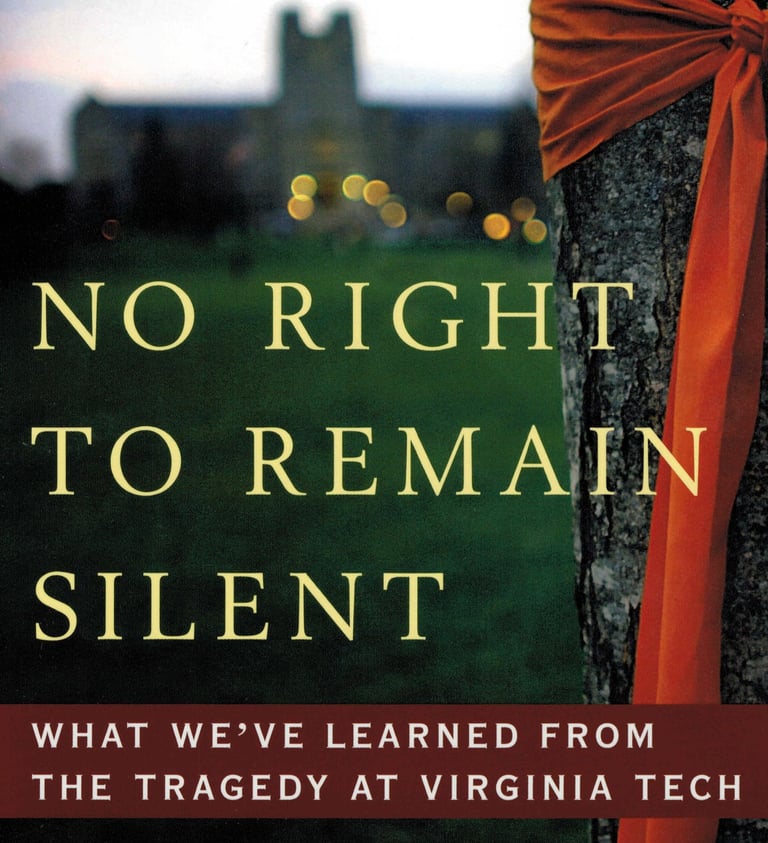
Our education system is premised on the belief that students are willing to abide by the rules we establish and that they will seek help when they need it. Yet there are times when those who are mentally ill are not equipped to make a rational choice about such things as medication or counseling. At moments like these, who is morally obliged to intervene? The teacher, the parent, another student, a counselor, law enforcement? And what are the legal ramifications of intervention? In the United States, the legal options in the case of students who exhibit signs of being deeply troubled are less plentiful than we imagine. So we play a game of Russian roulette in education and in mental health, shuffling too many troubled young people through the system, convincing ourselves that no student would be crazy enough to load a gun and point it at someone’s head."
--From NO RIGHT TO REMAIN SILENT, Prologue
Audible: Lucinda reads the audio version of NO RIGHT TO REMAIN SILENT